

[ad_1]
Russia’s biggest bank has joined the country’s digital currency scheme, which could help the economy weather turbulence caused by sanctions.
Russia’s Central Bank announced that Sberbank, as well as two other financial institutions—Tbank and Tochka Bank, had officially joined the country’s digital ruble pilot program.
Newsweek has contacted Russia’s Central Bank for comment by email.
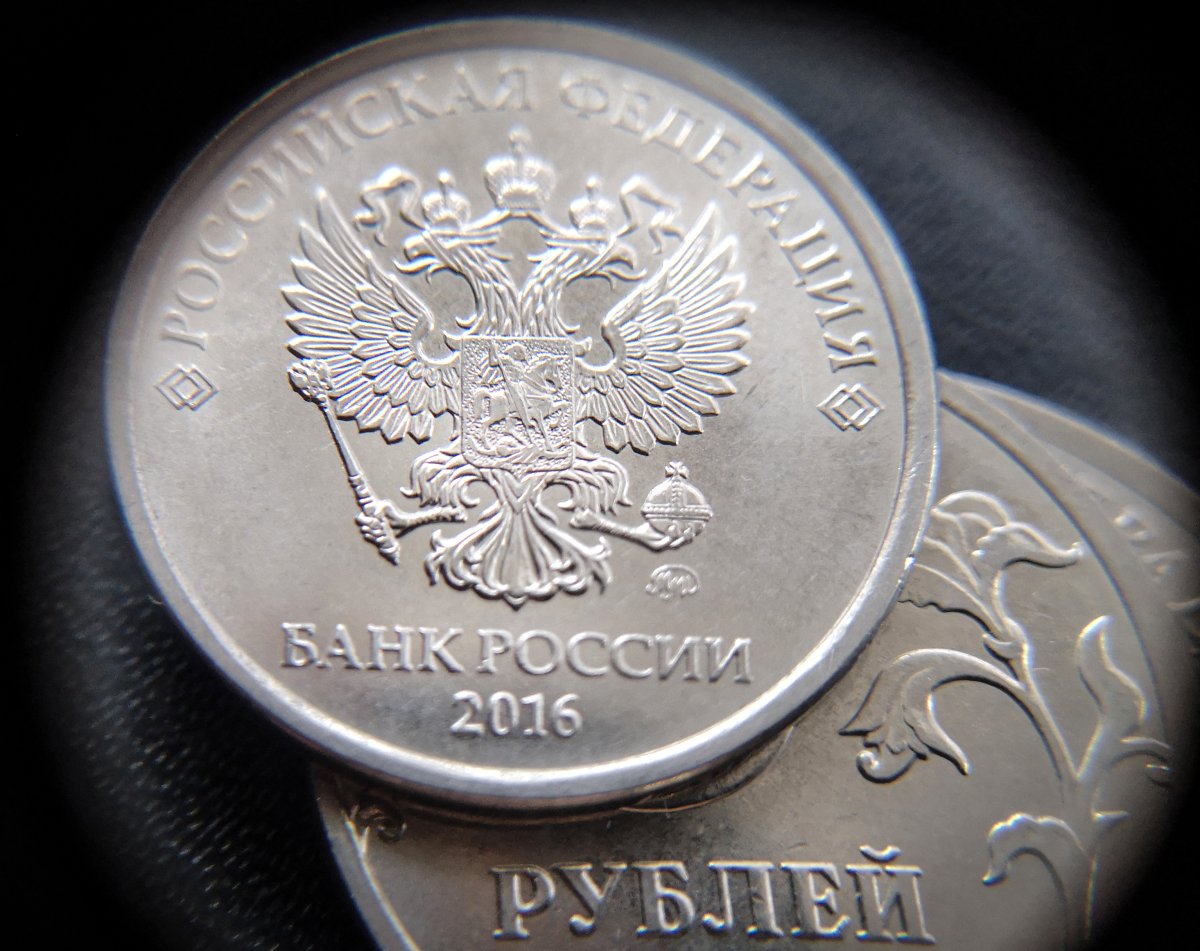
ALEXANDER NEMENOV/Getty Images
Why It Matters
While several countries have explored digital assets known as central bank digital currencies (CBDCs), a digital ruble for Russia could help mitigate the impact of sanctions imposed because of Vladimir Putin‘s full-scale invasion of Ukraine.
Among measures that aimed to isolate the country from the world economy for its aggression was Russia being kicked out of the SWIFT (Society for Worldwide Interbank Financial Telecommunication) international payment system at the start of the war.
In November, the U.S. Treasury announced its latest raft of sanctions in November, which included targeting Russian banks that had been used for international payments.
Among them was Gazprombank, which had been a conduit for gas payments in measures. This caused the ruble to drop to its lowest level to the U.S. dollar since the start of the war. A CBDC for Russia could facilitate payments for exports, reduce transaction costs and provide an alternative to SWIFT.
What To Know
The pilot program for the digital ruble was launched in August 2023 with 12 organizations, including VTB, Gazprombank, and Alfa-Bank.
Russia’s Central Bank announced the three latest additions to the scheme, which has a goal of eventually involving 22 institutions.
One of them, Sberbank, is Russia’s largest financial institution, while Tinkoff Bank, known as Tbank has shown growth while Tochka Bank plays a key role in digital banking often for small- to medium-sized businesses, Bitcoin.com reported.
The pilot scheme will test transactions under real conditions ahead of wider adoption of the digital currency from July 1, 2024 when credit institutions (SICI) must enable digital ruble transactions for their clients, or risk fines, state agency Interfax reported.
What People Are Saying
Russia’s Central Bank said, according to Interfax: “The introduction of the digital ruble into widespread use is expected to start gradually from July 1, 2025.”
Carnegie Endowment for International Peace fellow Alexandra Prokopenko wrote in October 2024: “The digital ruble project initiated by the Russian central bank in 2020 has progressed rapidly, with real-world testing involving several commercial banks and clients now underway.”
What Happens Next
Russia is trying to promote CBDC usage within BRICS countries as an alternative way of making cross-border payments. However, Russia’s CBDC faces competition from China, which is further ahead in testing it and has better international collaboration.
Analysis by Carnegie Endowment for International Peace fellow Alexandra Prokopenko released in October said this “may ultimately increase Russia’s overall dependence on China” as Moscow has turned to Beijing as its major trading partner due to wartime sanctions.
The success of a CBDC for China and Russia is not an immediate threat to the greenback’s dominance or the viability of Western sanctions, “but it does pave the way for gradual yet significant changes to the global financial system,” Prokopenko added.
[ad_2]
Source link